Aims
Study Guide

Complete Guide to UCAS Applications for Indian Students

For Indian students planning undergraduate study in the UK, UCAS is where the journey begins. It is the centralised application system used by virtually every UK university for undergraduate admissions, and understanding how it works is the first step to securing your place. This guide has everything you need to know, from key deadlines and required documents to what happens after you submit the application.

Book Free Consultation →

Why Indian Students Apply to UK Universities Through UCAS?

UCAS (Universities and Colleges Admissions Service) makes applying to UK undergraduate programmes much simpler and more streamlined for students. Instead of submitting separate applications to each university, you can apply to up to five courses or universities through a single, centralised platform, with everything managed in one place.

Apply to Multiple Universities

With one UCAS application, Indian students can apply to up to five UK universities or courses at the same time.

Centralised Application System

UCAS makes it easier to manage applications, track progress, and receive offers from UK universities in one place.

Fair and Transparent Process

All applications submitted through UCAS are treated equally when sent before the main deadline, giving students a fair chance of admission.

UCAS Application Deadlines for 2027 Entry

UCAS deadlines are firm, and missing the wrong one can significantly limit your options in the UK. The dates below are the key milestones every Indian student should have marked well in advance.

UCAS Application Opens

September 2026

Early Deadline (Oxford, Cambridge, Medicine, Dentistry, Veterinary)

Mid-October 2026

Main UCAS Deadline (Equal Consideration)

Mid-January 2027

UCAS Extra Opens

February 2027

Final UCAS Deadline (Late Applications)

End of June 2027

UCAS Clearing

July to October 2027

Ready to Start Your Journey?

Get Personalised guidance from our expert counselors.

Book Free Consultation

When Should You Submit Your UCAS Application?

Indian students should aim to submit their UCAS application well before the mid-January deadline to ensure equal consideration. For competitive courses such as Medicine or universities like Oxford and Cambridge, applications must be submitted by mid-October, as this is non-negotiable. 

A UCAS application requires a well-crafted personal statement, an academic reference, and careful completion of every section. Rushing any of these elements of your admission process because the deadline is approaching does not serve your application well. Submitting your application early allows you sufficient time to carefully plan and prepare for the subsequent stages once offers are received.

Short Note:
"Applying early through UCAS improves your chances of getting into your preferred UK university and gives you more time to prepare for the next steps."

What Happens After You Submit a UCAS Application?

Once your UCAS application has been submitted, universities review your academic qualifications, personal statement, and reference. Depending on the course and institution, you may receive a conditional offer, meaning you need to meet specific academic conditions, usually exam results or an unconditional offer, which confirms your place outright.

Through your UCAS account, you will be able to track the status of each application and respond to offers within the deadlines set by UCAS. Once you have accepted an offer, your chosen university will guide you through the remaining steps, including meeting any outstanding conditions, paying the tuition deposit if required, and beginning the CAS process for your UK student visa.

Short Note:
"Indian students should regularly track their UCAS application and respond to university offers within the given deadlines."

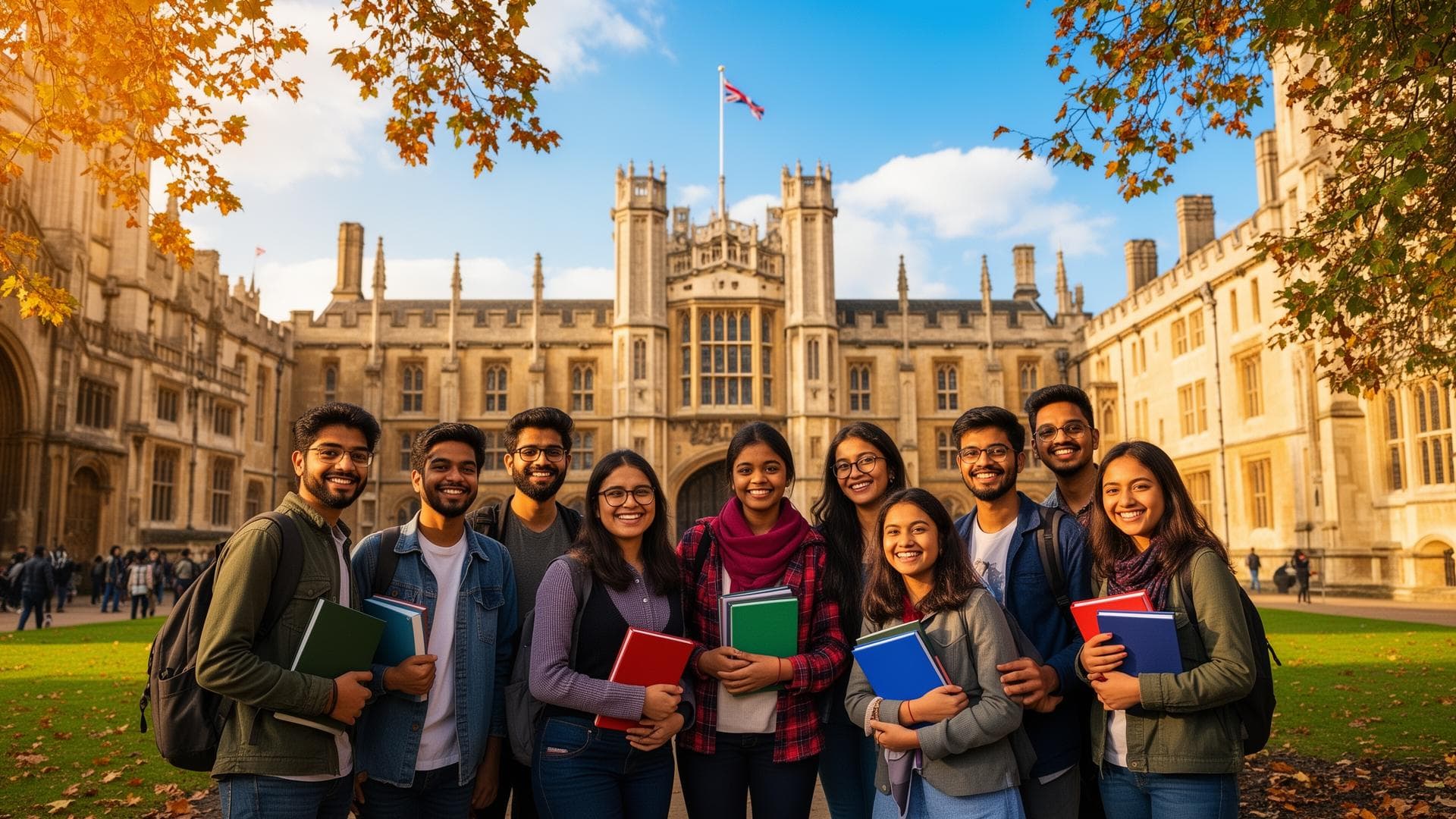
Documents Required for UCAS Application for Indian Students

Preparing your documents early is one of the most effective ways to ensure your UCAS application is strong and submitted on time. The following pointers highlight what you will need for both the UCAS application and the subsequent visa process.

Documents for UCAS Application
  • Valid passport
  • Academic certificates and transcripts
  • English language test results (such as IELTS or equivalent, if available or planned)
  • Personal statement
  • Academic reference (usually from a teacher or counsellor)
  • Predicted grades (if currently studying)
  • Portfolio (for courses such as Art, Design, or Architecture, if required)
  • Additional test scores (such as LNAT, UCAT, BMAT, depending on the course)
Documents for UK Student Visa Application
  • Valid passport
  • Confirmation of Acceptance for Studies (CAS) issued by the university
  • Academic documents used to obtain CAS
  • Proof of funds for tuition fees and living expenses
  • Education loan or sponsor documents (if applicable)
  • English language proficiency proof (if not confirmed via CAS)
  • TB test certificate (required for Indian students)
  • ATAS certificate (for specific courses, if required)
  • Immigration Health Surcharge (IHS) payment confirmation
  • Completed visa application form (online submission confirmation)
  • Biometric appointment confirmation (fingerprints and photograph)
  • Parental consent (for applicants under 18)

How Aims Education Supports Indian Students Through the UCAS Process?

The UCAS application process involves multiple stages that require careful planning at each step, starting from choosing the right universities and courses to preparing a compelling personal statement and submitting all required documents accurately and on time. A well-structured approach ensures that your application reflects both your academic strengths and your future goals. At Aims Education, we guide Indian students through every stage of this journey, including course selection, university shortlisting, personal statement support, application submission, and post-offer guidance. Each application is handled with precision and attention to detail, ensuring you present the strongest possible profile for admission to a UK undergraduate programme.
Free Consultation

Start Your GlobalEducation Journey

Book a free consultation with our expert counsellors and take the first step towards your dream university abroad.

100K+
Application Submitted
Up to 95%
Visa Success (results may vary)
280+
Global Institutions
Students
Next Intake
Sept 2026

Book Free Consultation

Fill in your details and we'll get back to you shortly

Phone

Please prove you are human by selecting the Tree

Entry Requirements for Indian Students Applying Through UCAS

Academic and admission criteria usually vary by university and course. Here, you can find an overview of the standard academic and English language requirements expected from Indian applicants to UK universities.

Undergraduate

Major requirements for applying through UCAS:

  • Completion of HSC, A-Levels, IB, or an equivalent qualification
  • Academic grades meeting the requirements specified by the chosen university and course
  • English language proficiency (typically IELTS 6.0 or above, depending on the course)
  • Strong personal statement
  • Academic reference from a teacher or school counsellor
Postgraduate

UCAS is primarily used for undergraduate applications, but some postgraduate courses may use a similar process, typically requiring:

  • A recognised bachelor’s degree
  • Official academic transcripts and certificates
  • English language proficiency evidence
  • Statement of Purpose (as required by the course)
  • Academic or professional references
English Language Requirements

Common English tests accepted by UK universities:

  • IELTS Academic: typically 6.0-7.0
  • PTE Academic: typically 59-70
  • TOEFL iBT: typically 80-100
  • Certain universities may accept other approved English language qualifications
UCAS Application FAQs
Have Questions?

Frequently Asked Questions

Everything you need to know about UCAS Application. Can't find your answer? Our counselors are happy to help.